Carl Lamarre: The Architect of Access
How Billboard’s Senior Director of R&B/Hip-Hop Became the Bridge, the Voice, and the Guardian of Culture in an Era That Needed Him Most
Written By: Lauren Taylor Sawyer
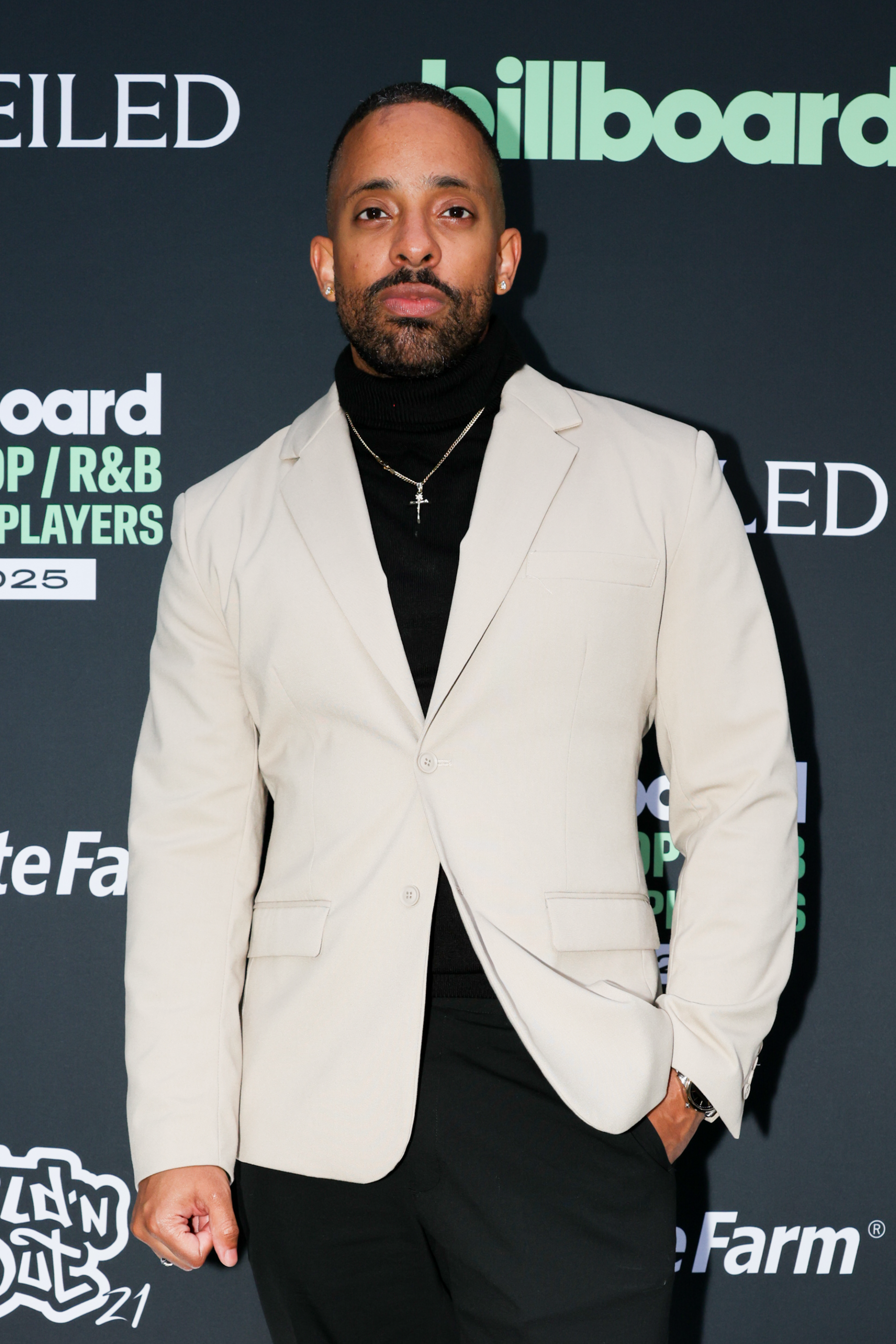
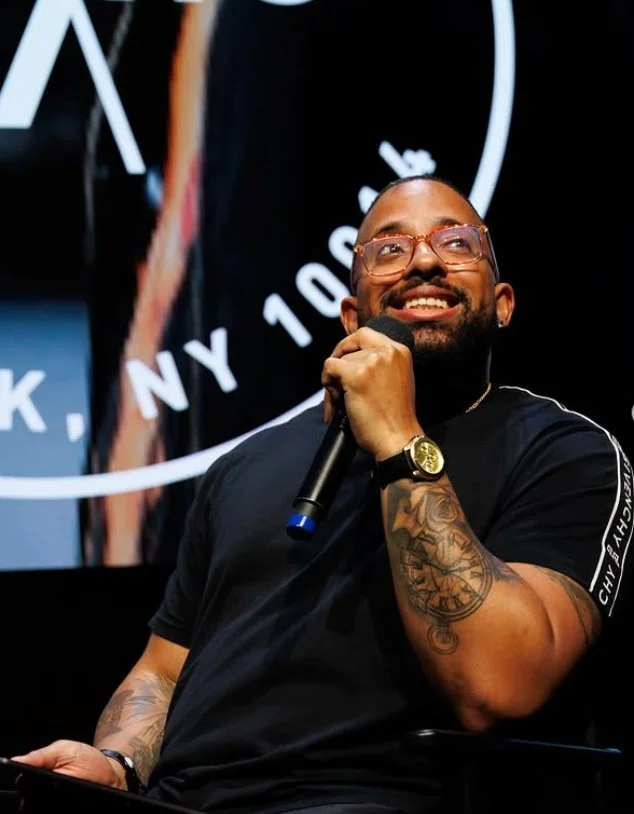
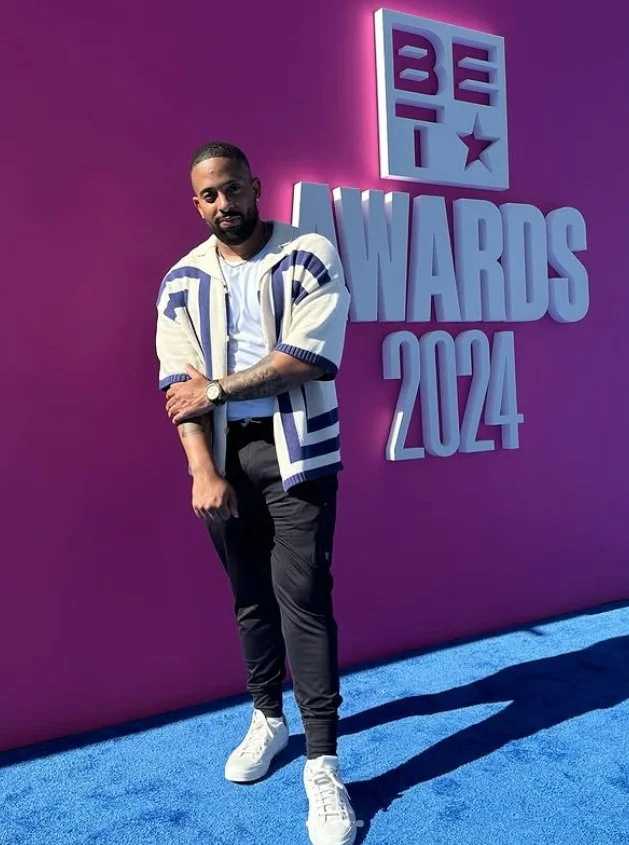
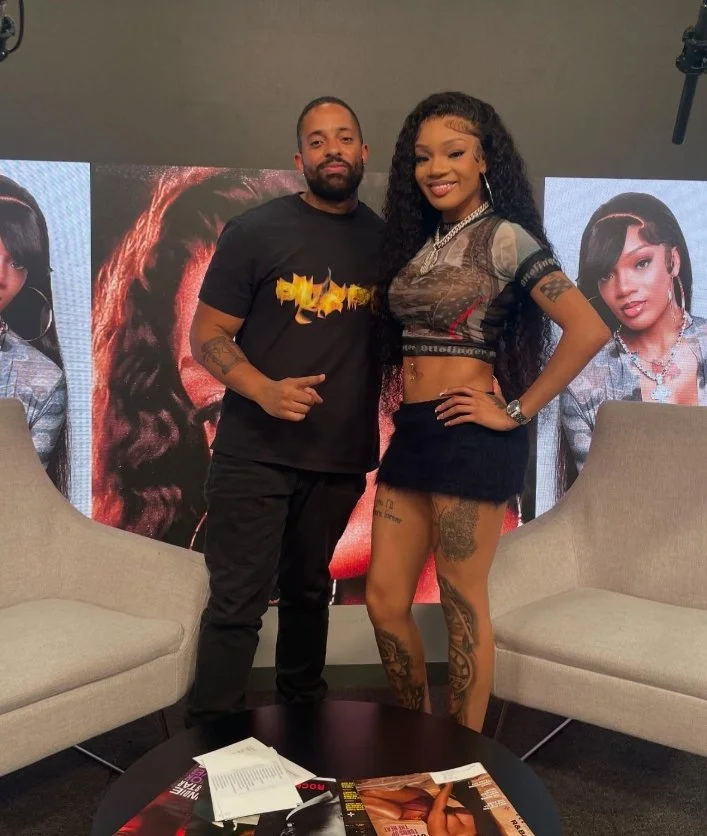
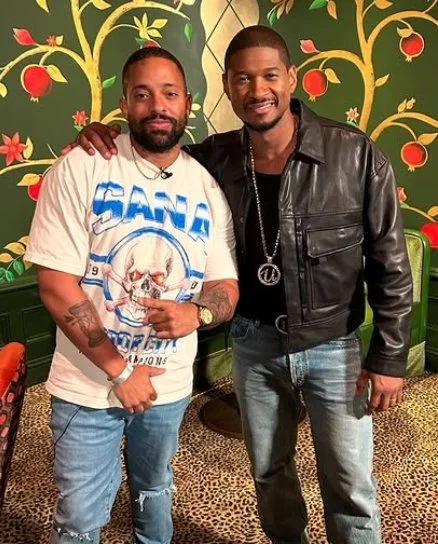
There are people who write about culture, and then there are people who protect it. Carl Lamarre has spent nearly two decades doing both. Building trust where there was skepticism, creating pathways where there were walls, and reshaping what representation looks like inside one of the most scrutinized music institutions in the world. His journey isn’t just about breaking into an industry; it’s about elevating it from the inside while staying rooted in something deeper than fame, chart success, or social status.
But long before Billboard titles, artist playbacks, magazine covers, and industry weight, Carl was a young man absorbing the world quietly, creatively, and differently than most. His earliest experiences would become the blueprint for how he navigated every subsequent professional setting.
Early Life, Roots, And Development of Voice
Carl Lamarre was raised as an only child in a Haitian immigrant household, shaping his independence and self-expression. “I grew up in a Caribbean household, and both my parents were immigrants who came from Haiti. I’m an only child,” he shared. His love for writing began unexpectedly and at a young age. “There was a show on Nickelodeon called Doug, and you know that inspired me to really get in my creative bag in terms of being a writer,” he said. “Little did I know, I'd be the same person running around, journaling everything. I kind of knew from a young age that I was going into journalism, so I started writing very, very young.”
Carl also attributes his communication confidence to the private practice he developed during his childhood. “I would talk to myself often,” he said. “Me talking to myself prepped me to have a certain level of confidence and dialogue. When I'm in a room full of people, it’s ‘easy breezy’ for me to have conversations because I was so used to having them with myself.”
This early pattern contributed directly to his interviewing style, one that artists often respond to with unusual openness. And as he grew, that instinctive communication ability turned into something measurable: influence.
Discovery Of Writing Impact and Early Accolades
During high school, Carl began writing for his school paper, where he recognized the reach and influence of his perspective. “I initially wanted to be a sports reporter. Being able to see that my work was able to touch beyond my high school and all of Long Island was pretty big,” he said. “That's when I knew. Okay. I'm on to something, like people are actually checking for me.” He also received recognition for his writing, winning third place in a regional sports opinion piece contest. Journalism became not just an interest, but a direction. “Journalism was always plan A. Plan B was to be a gym teacher, but that was my backup plan in case I really messed up at this thing. Thankfully, I didn't.”
With momentum building, Carl sought an environment where identity, ambition, and cultural impact could collide, which led him to Howard University.
Howard University: Academic, Personal, and Cultural Formation
Carl’s time at Howard University significantly contributed to his development as a writer, communicator, and cultural participant. “The energy is so infectious at Howard. You know it’s black pride and black joy all over, and I wanted to be a part of that,” he shared. Personal circumstances also influenced his decision. “I had some trouble in the household, so I was intentional about trying to find a place where I could grow and create my own identity.”
Furthermore, writing for the student paper, “The Hilltop,” shaped his newsroom professionalism. “It was a real battleground for me to really hone my skills and for me to develop an identity. Seeing my name physically in a newspaper hit different.” Competing with upperclassmen strengthened his editorial resilience and sharpened his writing style.
That competitive edge, sharpened in Howard’s newsroom, made him ready, even if he didn’t realize it, for his first true industry leap: VIBE Magazine.
Foundational Industry Entry Through Vibe Magazine
Carl secured a pivotal internship at VIBE after his freshman year. “They were like, ‘yo, you know, we're still looking for interns, but the internship starts Monday.’ They hit me up on a Thursday and wanted me to come interview on Friday,” he said. “I did the internship the next day, and they told me that I got it. That internship changed my life forever.”
Despite feeling intimidated at the time, the experience ultimately proved pivotal. “I was considered the worst intern because I was so shell-shocked,” Carl said. “But one thing that I learned was to always ask questions and just shoot my shot.” The internship led to long-term freelance roles, including BallerStatus.com and MoreHipHop.com, where he grew his voice and completed his first interview. “The first interview that I did was in 2008 with Joe Budden, and I was fresh off my internship,” he said. Those early steps eventually led him to a full-time position at Billboard.
But before Billboard covers and industry recognition, there was grind, sacrifice, freelancing, and the unglamorous hustle of proving he belonged.
Sacrifice, Freelancing, and Early Professional Grind
During his early 20s, Carl prioritized real-world experience over academic structure. “I cut class flat out to go do interviews. I’d often skip out on assignments to attend listening parties,” he said. “I knew putting myself out there, networking with those people, growing my name and my presence, trumped being in those classrooms.” Although he does not recommend the approach today, he credits it with accelerating his access and career momentum.
That commitment and willingness to be where the culture actually lived became central to what would make him one of the most trusted interviewers in hip-hop.
Interview Style, Trust, and Access to Elusive Artists
Carl is recognized for interviews that draw authenticity from artists who are often guarded in press settings. “I do so well in connecting with subjects to where they feel like I grew up with them from the block, not knowing I'm just a suburban cat,” he said. “That's a huge skill set. Not many are able to reach that point.” This capability positioned him for high-profile conversations with major artists across generations.
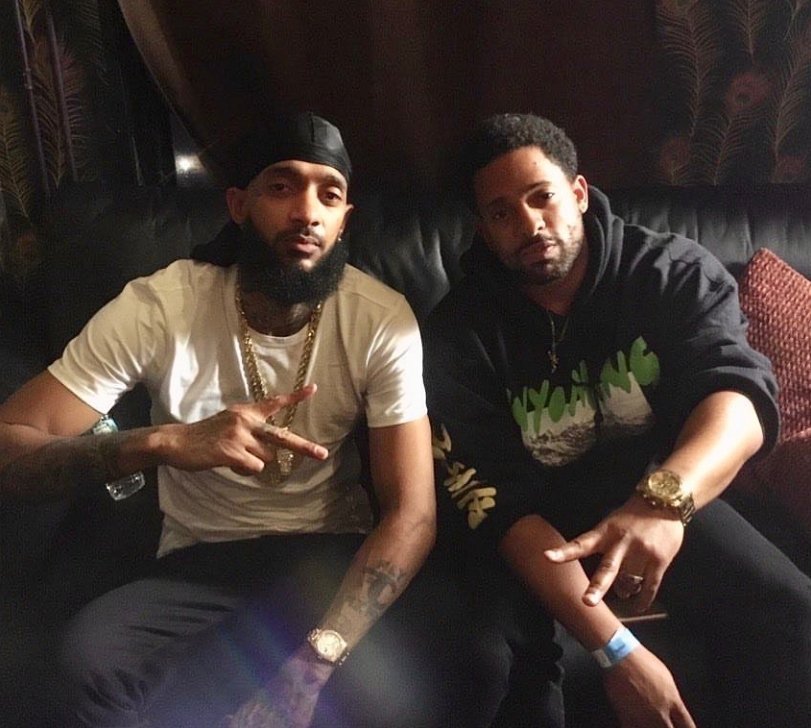
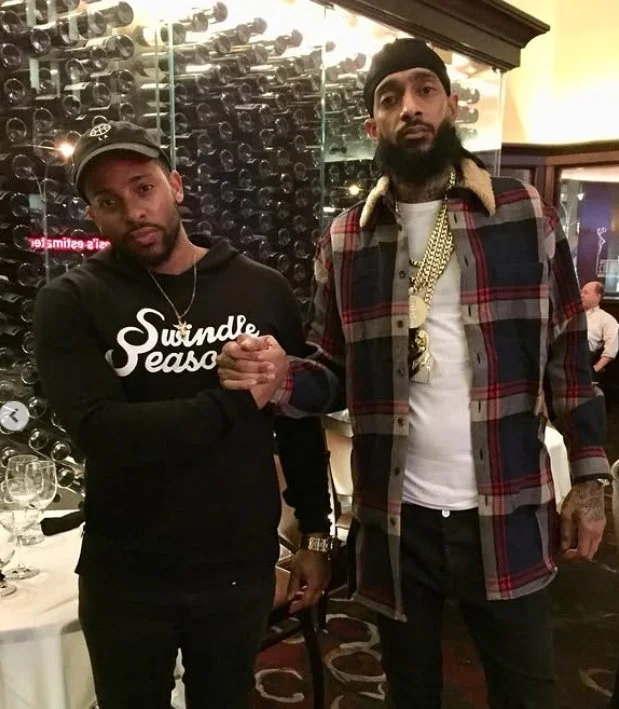
One of Carl’s most meaningful professional encounters involved Nipsey Hussle, a Grammy-nominated rapper, businessman, and community advocate from Los Angeles who emerged from the West Coast hip-hop scene in the mid-2000s. Celebrated for his artistry and his neighborhood impact, he was tragically killed in 2019 at just 33 years old. “We must have sat and talked for three hours. The amount of game and gems received from him was life-changing,” he said. Months later, Nipsey publicly affirmed his trajectory. “He gave me a big hug and dap. He's like ‘Yo, bro. I'm so proud of you, and you are going to be the face of hip-hop journalism,’” he continued. “After that day, I've never had any doubts about myself as a journalist or an editor.”
Nipsey’s affirmation not only validated his path, but it also fueled the confidence necessary for Carl’s next major milestone.
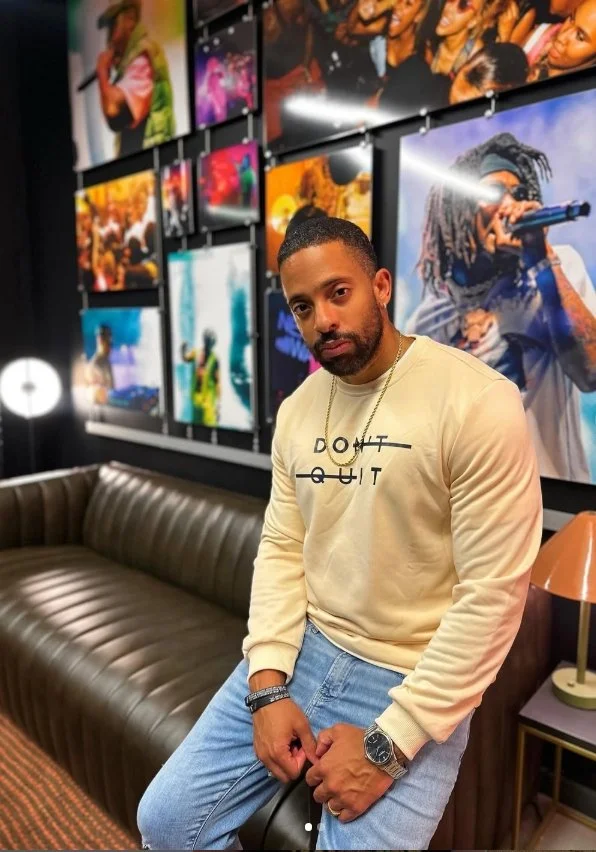
“It sounds simple telling people to work hard and never quit, but to really execute and demonstrate those principles takes discipline and faith. Those are the two factors that I believe separate the good from the great; the successes from the failures.”
Billboard Cover Milestone and Personal Loss
Another significant moment in Carl’s career was his first Billboard cover story, featuring DaBaby, an American rapper known for his high-energy flow and breakout hits such as “Suge” and “Rockstar,” during a personally difficult time. “My father had passed, and I was spiraling a little bit personally,” he said. The interview resonated because DaBaby had also recently lost his father. “It was so moving for us both because it was like we were making our dads proud in real time. This wasn't just for me. This was for my father.”
That emotional breakthrough further shaped how Carl approached leadership, not just storytelling.
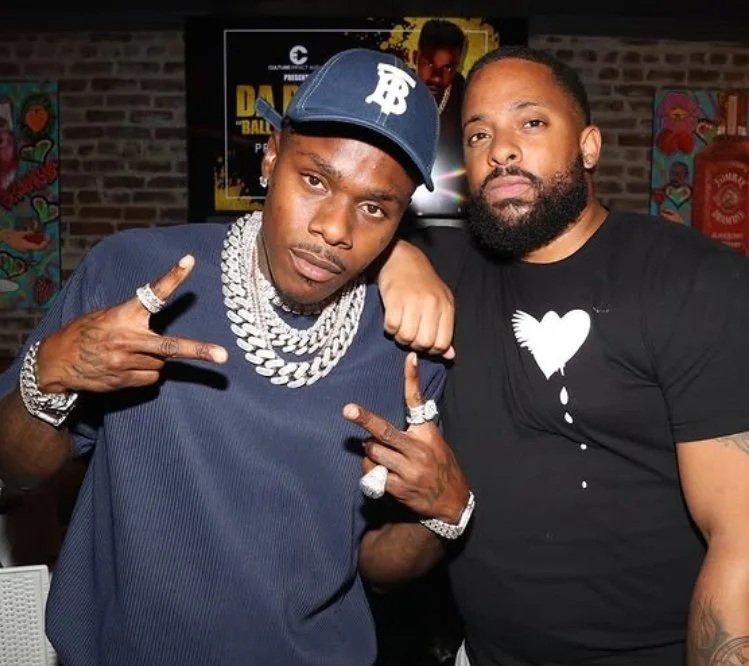
DaBaby on ‘Blame It on Baby’, Working With NBA YoungBoy & Staying Creative in Quarantine
Billboard's Carl Lamarre chatted with DaBaby about his latest album, 'Blame it on Baby,' collaborating with artists like NBA YoungBoy, and catching up with projects during quarantine.
Leadership, Cultural Representation, and Platform Access
As Senior Director of R&B/Hip-Hop, Carl works to ensure diverse representation in coverage. “When people think of Billboard, the first thing they think about is the charts. But sometimes the numbers can't define pure talent,” he said.
To widen access, Carl created the “Rookie of the Month” franchise. “We need a way to highlight cats who are making significant noise, and you'd be surprised how many people came up from that franchise,” he said. “Sexyy Red, Ice Spice, Blxst, and Baby Keem.” He also brings artists of all sizes into the Billboard office. “I've had artists come in and play me music that have 20 streams because I don't want it to be a place where we're gatekeeping.”
His editorial leadership eventually grew to include on-camera appearances, making him nationally visible across multiple platforms.
Multimedia Hosting and National Visibility
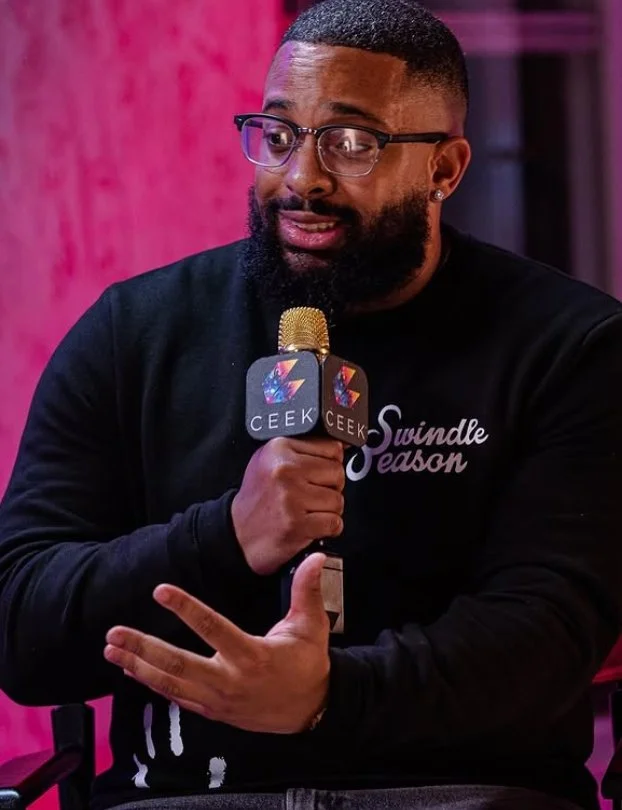
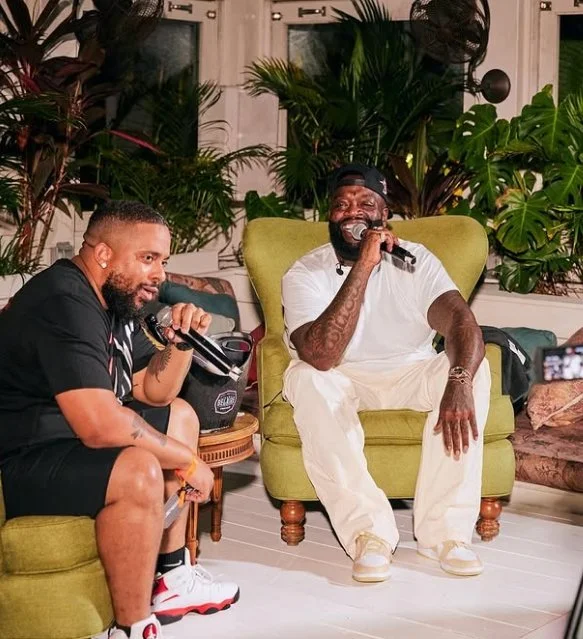
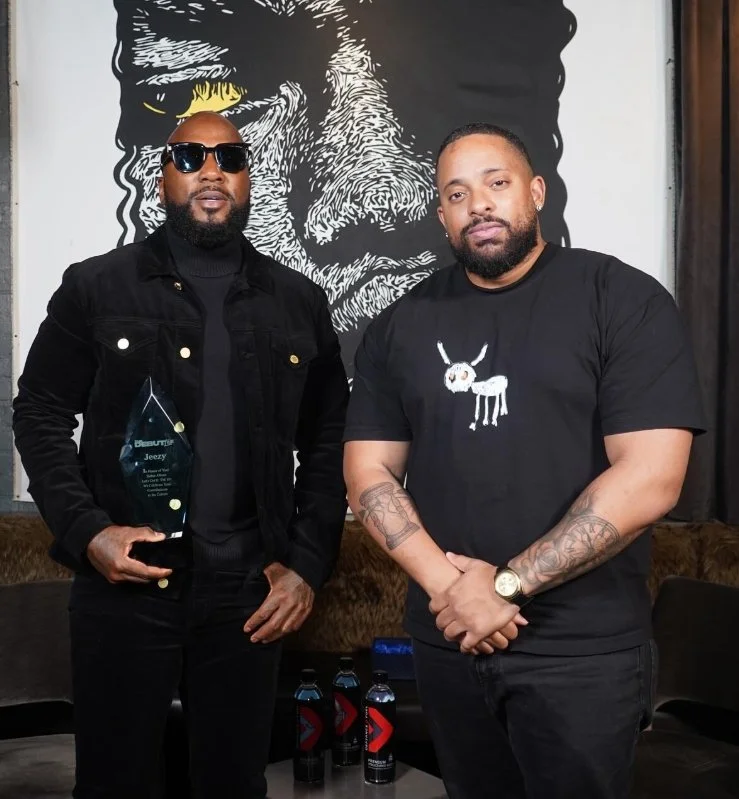
In addition to editorial leadership, Carl has hosted and appeared on multiple platforms, including:
• The Debut Live
• Beyond the Beat
• Grammy Live Conversations
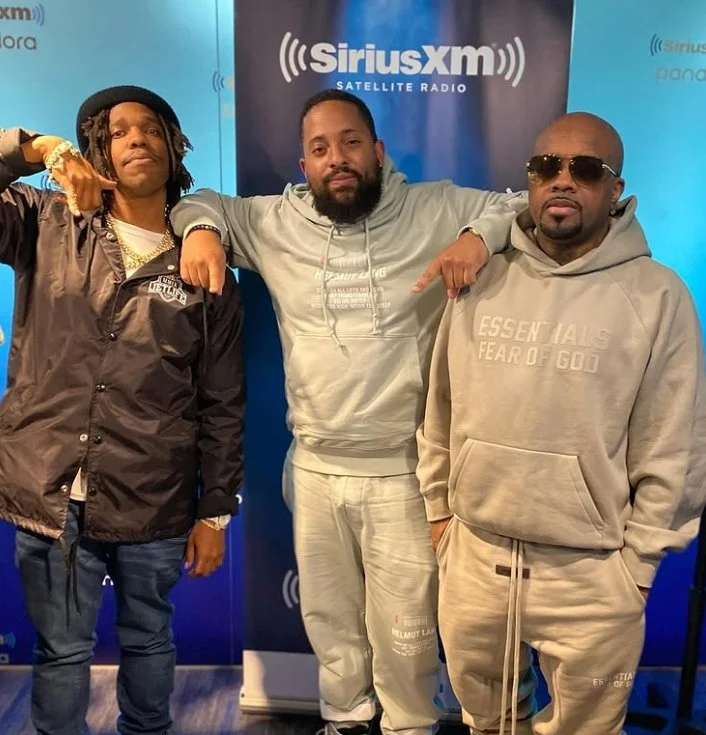
• Billboard Live on SiriusXM
• Good Morning America
• CBS Mornings
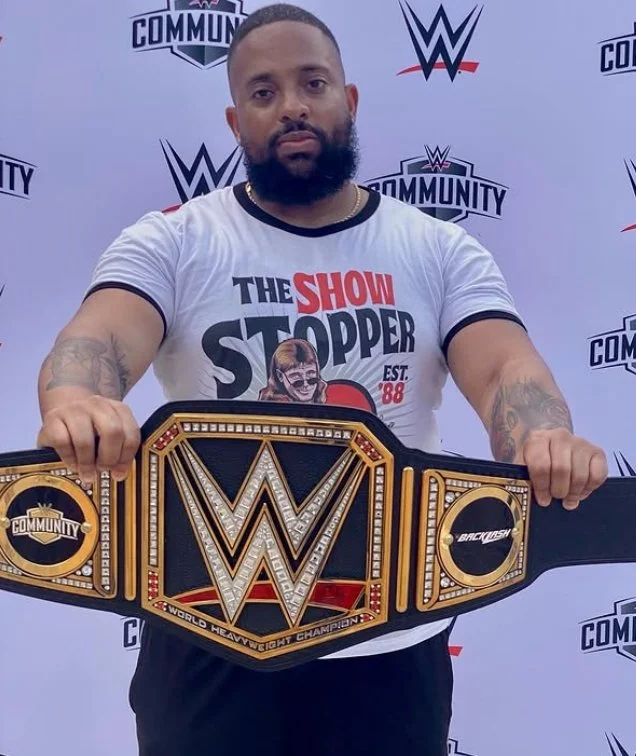
He has also authored notable articles, including “How Lil Wayne Became the Kobe Bryant of Rap,” as well as writings about the intersections between wrestling and hip-hop.
But his creativity has never been confined to journalism alone.
Music Creation, Shut Up & Write, and Creative Expansion
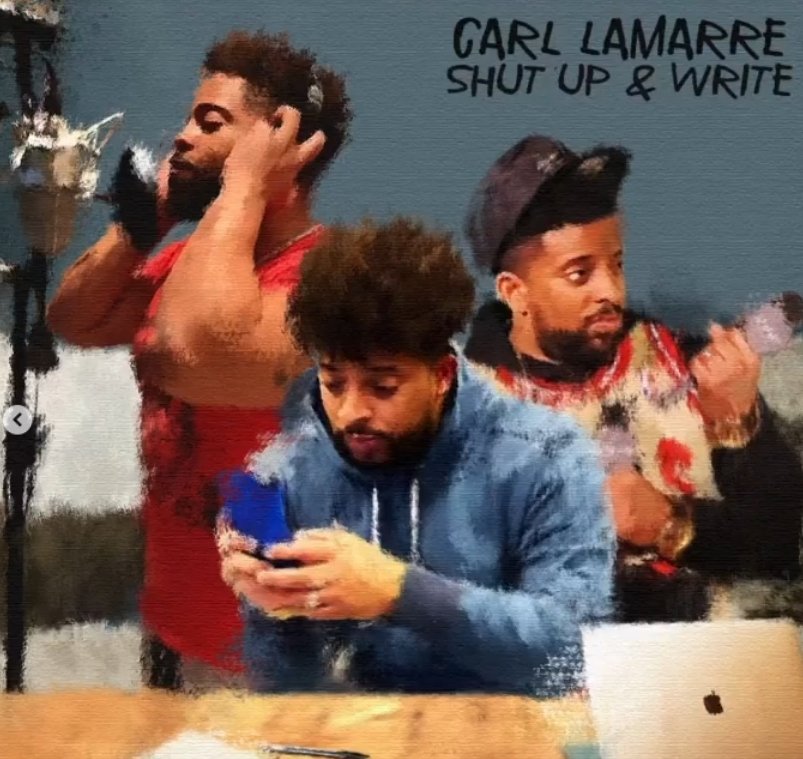
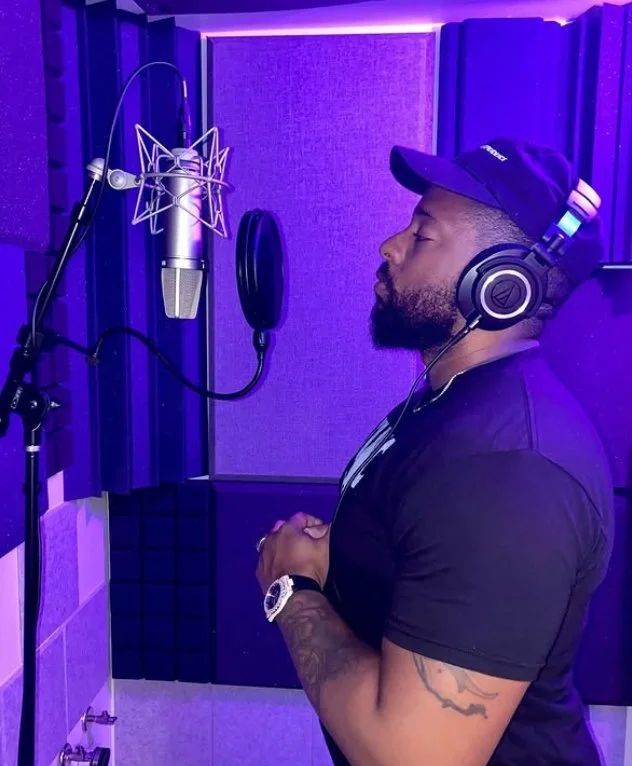
Carl has also released musical work. “I used to rap heavy back in the day. In 2020, I dropped ‘Shut Up and Write,’” he said, noting executive production by Stalley and Mark Elibert and guest contributions including Rob Markman. He later completed an unreleased project with DJ Drama. “I just never dropped it. It's on my phone right now. It's fire,” he added. “Maybe I will one day.” Carl has since shifted his focus to leadership. “My calling is that I'm in my own executive era. My priority right now is there.”
As Carl’s career evolved, so did his sense of purpose. Grounded by faith, discipline, and personal transformation.
Faith, Support System, and Grounding Practices
Throughout his career, Carl credits spiritual reliance. “Prayer keeps me grounded. I am very spiritual. I always leaned on God in my faith,” he said. He also acknowledges trusted community support beyond industry optics.
Carl has lost 75 pounds since 2024 through a combination of structured fitness and consistency. “I told myself the goal was to hit 200. Then I said 195…190,” he said. His physical transformation reshaped his approach to life. “I’ve mastered this approach. Now, how can I use that discipline in different sectors of my life?” he said.
With clarity sharpened, Carl’s focus turned toward impact, not just achievement.
Mentorship, Future Initiatives, and Legacy Vision
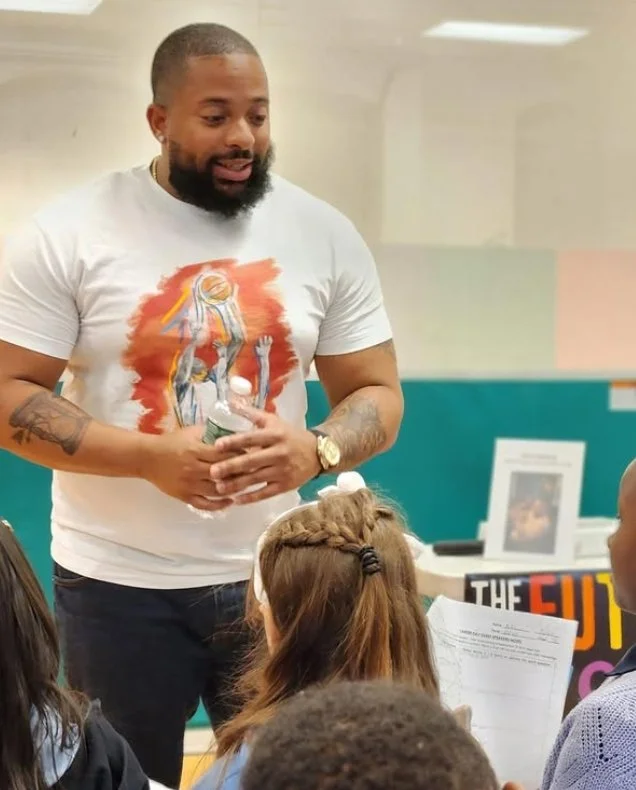
Looking ahead, Carl wants to continue prioritizing opportunities for emerging writers and underrepresented voices. “What's going to matter is the people that I touched, and the writers that I touched. That's how I want my legacy to live on,” he said.
Billboard’s internship and freelance systems are currently paused, but Carl aims to help restore them. “I'm hoping that changes next year,” he said.
His advice to new creators: “It's never too late, writing is infinite.” He also encourages adaptability. “AI can also be a great tool when used right.”
Carl says his long-term goal is comprehensive personal growth. “I want to be the best that I'm able to be, outside of just this journalism sh*t.”
Reflection: The Lasting Note
Asked how he hopes people remember him decades from now, Carl keeps it simple:
“I just want to be known as someone who showed love, worked hard, and opened doors. If people can say I left the game better than I found it, that’s everything.”
For a man who has spent his life amplifying voices, protecting culture, and creating access, his own voice now stands as proof of what happens when purpose meets perseverance, and when a writer becomes an architect of the very world he once dreamed of entering.
To stay connected with Carl and the latest news in R&B/Hip-Hop, follow him on Instagram and X/Twitter @ therealcl24 or visit www.billboard.com/author/carl-lamarre/.
Cardi B Gets Real About ‘AM I THE DRAMA?’ Politics & Stefon Diggs Romance
Cardi B sits down with Billboard’s Carl Lamarre in anticipation of her second album, ‘AM I THE DRAMA.’ The star gets candid on everything from why the album took years to release, ‘WAP’ and ‘UP’ being a part of the track list, female rap beefs, and her relationship with Stefon Diggs.